David Lewis
Notes, essays, and technical writing.
-
Slop is a standards problem
AI slop is real. The diagnosis is wrong. Slop is what AI does when no one sets the standard — and the same technology can elevate the bar instead, if you choose to use it that way.
-
Evolving Agile in the age of AI agents
The agile practices that survived AI-assisted development weren't the process ones — they were the philosophical ones. A look at what changed and what stayed when building a real product with AI agents.
-
The incomplete history of Design Tokens
A thirty-year story about a single idea: that design decisions should be named, shared, and separated from the things they style — from Håkon Wium Lie's 1994 proposal to the W3C specification.
-
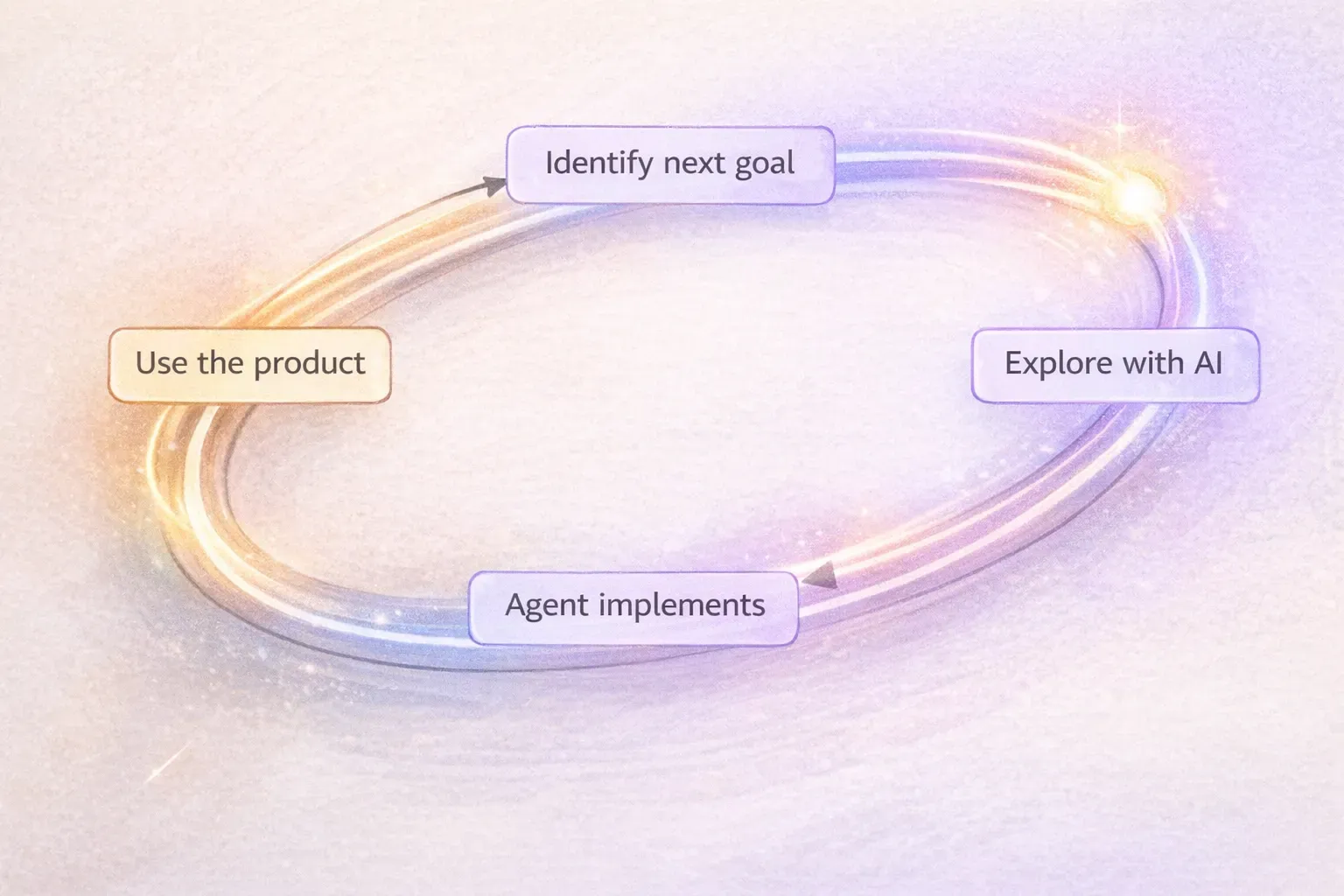
Goal-Driven Development with AI Agents
Starting with a real problem — the "did we get cinnamon sticks?" moment in the kitchen — and figuring out the solution as you go. Part 1 of a series on building a real product with AI agents.

-
If Your Meeting Needs People From Five Teams, Something's Broken
When delivering one idea requires five teams in a room, that's not a planning problem — it's a structural one. On value streams and why cross-functional engineering teams are only halfway to the goal.
-
Part 2 — The Handoff (From the AI's Point of View)
The second part of a documentation experiment, written from the AI's perspective. GPT inherits a codebase cold, reads the principles doc, and uses it to constrain a feature decision — validating the thesis that the right documentation shapes choices, not just describes code.
-
What's Left When the Code Becomes the Source of Truth
I wrote 786 lines of documentation, then deleted 83% of it. Here's what survived — and why it's the only documentation that matters.
-
AI Can Explain Your Code. Stop Documenting the Obvious
AI can now explain what a system does and how it works. That changes what documentation is for — and what's still worth writing down.
-
Why Your Server Is Paying for Your CSS Choices
Server-side rendering makes some previously invisible costs very visible. This post explores how styling can end up on the server's hot…
-
Folding the Laundry: A Kanban Story
Kanban explained through household laundry: visualise the work, cap what's in progress, and deliver in small finished batches. Simple rules that apply equally to software delivery and a pile of clean clothes on the spare-room bed.
-
Teaching AI to Design What I Mean, Not Just What I Say
My experiments trying to take back control of AI-generated UI
-
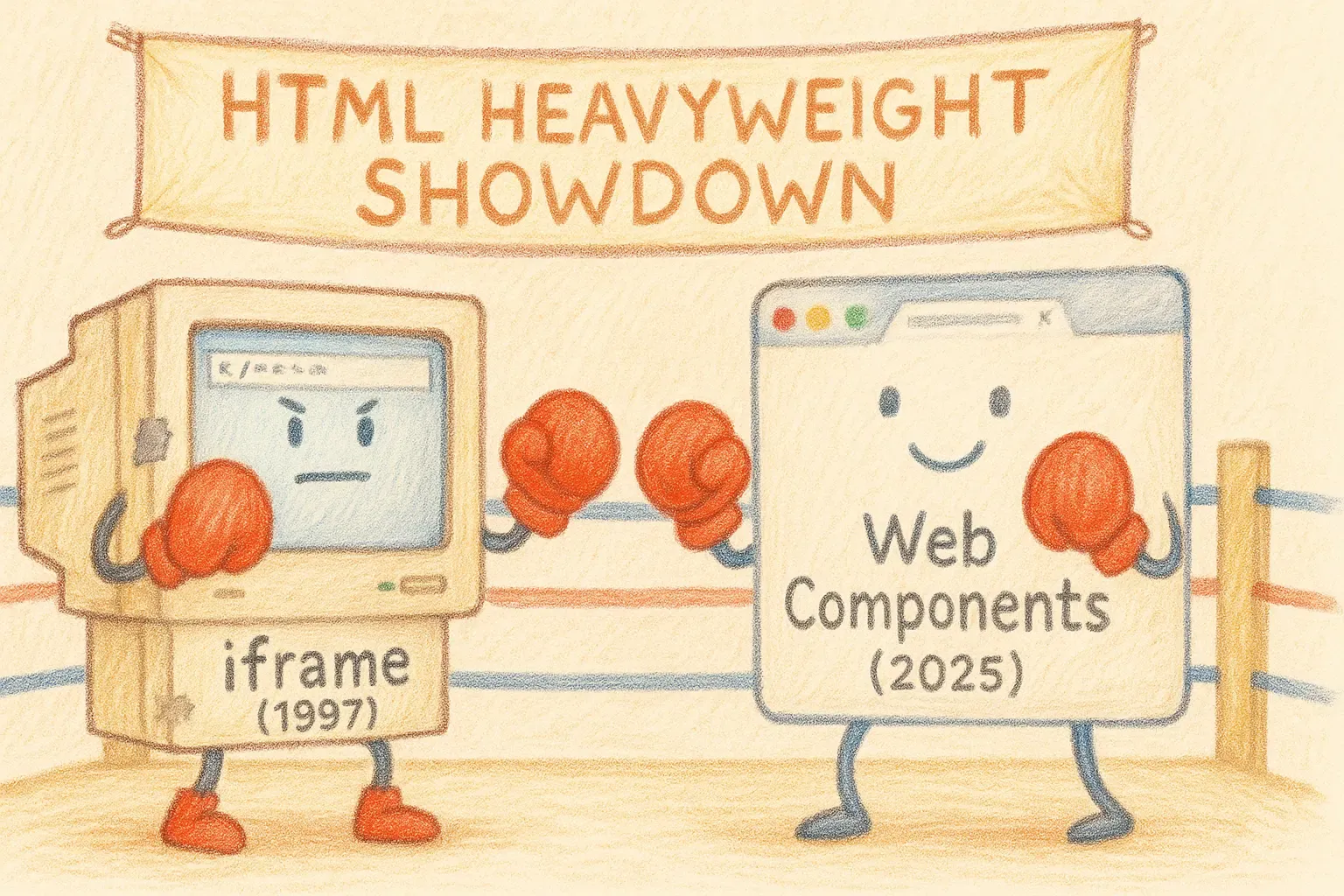
iframes vs Web Components — which one actually performs better in 2025?
After 102 automated Playwright tests, Web Components load 4.5× faster than iframes with identical memory use. A data-driven guide to when each isolation mechanism is the right call.
-
How I Beat Stage Fright (and Accidentally Cured My Fear of Small Talk)
How a socially awkward introvert became a confident public speaker — through practice, not talent. Four techniques that actually work: rehearse until the script disappears, present one slide ahead, leave space for the day, and video yourself.
-
From Drift to Drive: Helping Teams Move Towards Strategic Outcomes
Teams rarely drift because they're lazy. They drift because no one's holding the map up anymore.
-
Stretch, Don't Hide: Ambition, Empathy and AI
AI expands what we can attempt — but that speed can trigger Dunning-Kruger overconfidence. The fix is curiosity over proof: show your working, ask what surprised you, and let cross-discipline experiments build empathy instead of ego.
-
Quiet Debt: The Hidden Cost of Ignoring the Small Stuff
Most of us are familiar with the classic definition of technical debt: the shortcuts, workarounds, and legacy code that get us out of a jam…
-
What's on Your Team's Plate?
Why quick fixes feel good, but lasting health takes patience
-
The Case for Slow Thinking in Engineering Teams
Engineering teams rush to close decisions and the fastest voice usually wins. The seven-second rule, System 1 vs System 2 thinking, and why slow deliberation paired with fast AI is a more powerful combination than either alone.
-
Avoiding the AI Tell: How to Write in a Way That Sounds Like You
The "You're not X, you're Y" pattern is everywhere in AI-generated writing — punchy, rhythmic, and a dead giveaway. This post identifies the tell and offers four concrete rewrites to keep the impact without the polish that signals AI.
-
The Power of Emergence: Why Leaders Shouldn't Prescribe Every Solution
Prescribing solutions feels efficient but suppresses the unexpected ideas that matter most. A before-and-after flood image UI that emerged from a misunderstanding shows why leaders should frame outcomes, protect slack time, and get out of the way.